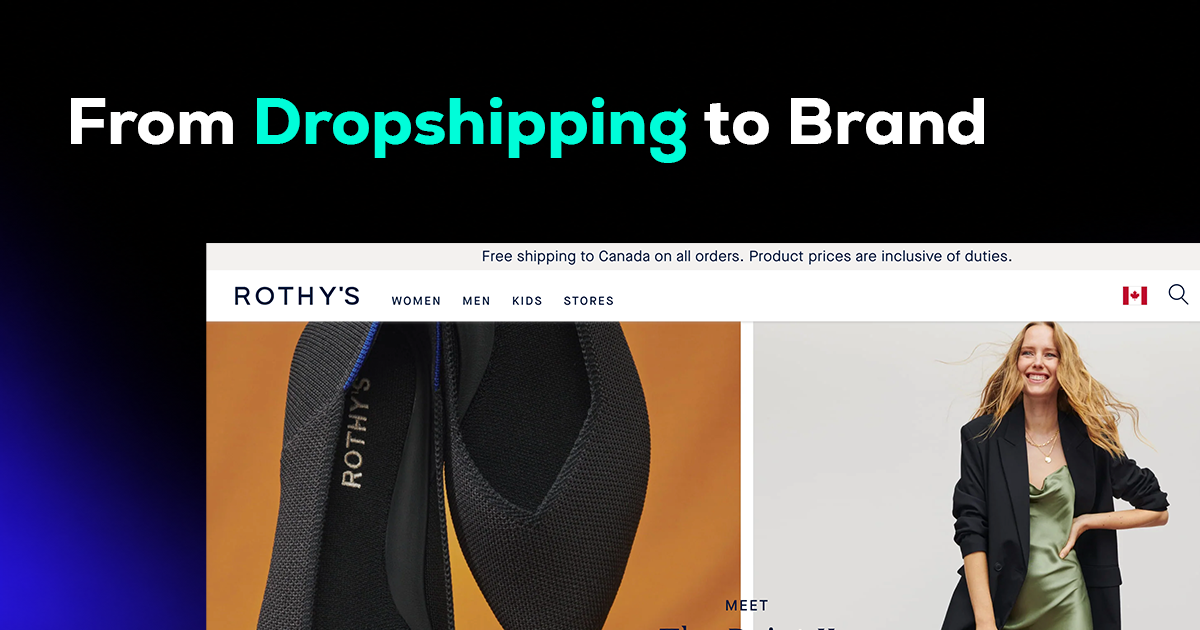
For years, the promise of dropshipping was simple: find a trending product, create a store, run ads, and scale quickly. But the e-commerce landscape has changed. Today, selling generic products in saturated categories leads to lower margins, higher advertising costs, and weak customer loyalty.
The Problem With Generic Dropshipping
When hundreds of stores sell identical products from the same suppliers, businesses compete only on price, shipping speed, and advertising budget. This creates a race to the bottom.
The future of profitable e-commerce is not about finding another viral product. It is about building specialized brands that solve specific problems for specific audiences.
Why Viral Products Rarely Create Long-Term Brands
Most viral products follow the same lifecycle. They start with low competition, attract many sellers, become saturated, and eventually turn into commodities.
Without differentiation, customers stop choosing brands and start comparing prices.
The Power of Micro-Niches
Successful e-commerce brands often begin by owning a narrow category instead of targeting everyone.
A store selling pet products competes with thousands of businesses. A brand focused on ergonomic mobility solutions for senior large-breed dogs speaks directly to a specific customer with a specific problem.
Why Narrow Niches Create Higher Margins
Specialized brands create pricing power because customers are not simply buying a product. They are buying expertise, trust, and a complete solution.
A generic dog ramp becomes a premium mobility solution when supported by education, guides, recommendations, and a strong customer experience.
Transforming Products Into Brands
A physical product alone is rarely enough. Successful brands add layers of value through:
- Premium packaging experiences
- Branded inserts and educational materials
- Digital guides and customer resources
- Personalized recommendations
- Compatibility and product selection tools
Education Builds Authority
The strongest e-commerce brands do not only advertise products. They educate customers.
Creating valuable content around customer problems helps brands build trust, attract organic traffic, and reduce dependence on paid advertising.
Creating Product Compatibility Systems
Many customers hesitate because they are unsure which product is right for them. Compatibility tools and personalized quizzes remove uncertainty and increase conversion rates.
Examples include skincare recommendation quizzes, pet product selectors, and device compatibility checkers.
The Future of E-commerce
The next generation of successful Shopify brands will not be built by selling everything to everyone. They will be built by understanding a specific audience better than competitors.
The transition is simple:
- From products to problems
- From transactions to relationships
- From advertising to education
- From stores to ecosystems
Brands that create specialized solutions will build stronger customer loyalty, higher margins, and sustainable growth.
How ShopBooster Helps Shopify Merchants
ShopBooster helps merchants create smarter e-commerce experiences through AI-powered tools designed to improve personalization, product discovery, and conversion optimization.