If you jump into forums, Reddit threads, or social media e-commerce groups, you will see the exact same advice repeated ad nauseam: “Just build a store, launch some ads for a trending product, and see what sticks.”
It sounds enticing. It sounds fast. But in reality, it is the most expensive gamble you can take with your time and capital.
Setting up a digital storefront without knowing what problem you are solving—or who you are solving it for—is the digital equivalent of leasing a retail space, buying random furniture, and deciding later whether you’re running a coffee shop, a boutique, or an electronics store.
If your goal is to build a real, profitable, and defensible brand rather than a short-lived dropshipping store that burns through ad budget, you need to flip the script. The secret isn't finding a "winning product"—it's mastering Problem-First E-Commerce Architecture.
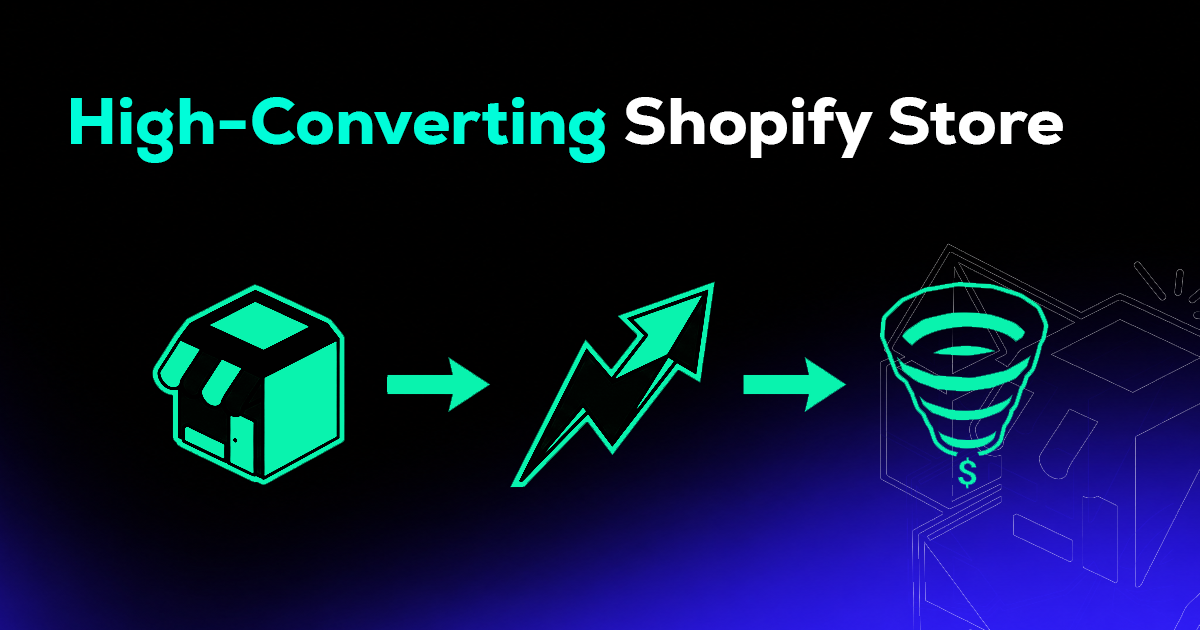
Here is the complete, end-to-end framework for researching, validating, and building a high-converting store from scratch.
Phase 1: Identify 2–3 Niches Grounded in High Emotional Stakes
Before you touch a single setting inside Shopify, choose 2 or 3 micro-niches to explore. To maximize your chances of success, evaluate niches through three specific criteria: Urgency, Passion, or Frustration.
You want to enter spaces where people don't just "want" something, but where they are actively looking to eliminate discomfort or elevate a key area of their life.
High-Intent Niche Examples:
- Ergonomics & Pain Management: Lower back pain, carpal tunnel, neck strain, posture correction, or sleep quality. When people are in physical discomfort, price sensitivity drops significantly.
- Pet Care & Specialized Health: Senior dog mobility, anxiety separation solutions, specialized cat nutrition tools. Pet owners treat their animals like family and spend passionately on their well-being.
- Targeted Home & Workspace Optimization: Cable management systems for high-end desk setups, specialty coffee brewing tools, micro-apartment organization.
Rule of Thumb: If a niche moderately interests you, researching it won't feel like a chore. More importantly, your genuine curiosity will help you speak the customer's native language when writing copy later on.
Phase 2: Perform "Review Mining" to Uncover Market Gaps
Once you have identified your potential niches, skip the generic trend software and go directly to customer feedback channels. This step is called Review Mining, and it is where 90% of your product positioning will be born.
How to Conduct Review Mining:
- Search for the top 3–5 dominant products in your niche on Amazon, Trustpilot, or direct competitor sites.
- Filter explicitly for 3-star and 4-star reviews. (1-star reviews are usually just angry rants about shipping delays; 3-star reviews contain thoughtful, nuanced product feedback).
- Record patterns of recurring complaints and unfulfilled promises.
Look for These Specific Gaps:
- Product Quality Issues: "Works well, but the material feels cheap and breaks after a month."
- Usability Gaps: "The device works, but the user manual was illegible and setup took 2 hours."
- Packaging & Presentation Gaps: "Arrived in a smashed unbranded bag. Bought it as a gift and was embarrassed to give it."
- Customer Support & Delivery Gaps: "Took three weeks to arrive with zero tracking updates."
Your Unique Value Proposition (UVP) lives in these complaints. If you can source or develop a version that fixes even one of these structural complaints—or simply reframe your marketing to guarantee these issues won't happen—you instantly gain an edge over established players.
Phase 3: Build the Customer Persona Around "The Before & After"
Customers do not buy features; they buy a transition from a painful "Before State" to a desired "After State."
Before opening Shopify's theme editor, answer these four core strategic questions:
| THE CUSTOMER PERSONA MATRIX | |
|---|---|
|
1. THE EXACT PAIN POINT What specific daily frustration keeps them annoyed or searching? |
2. FAILED PAST ATTEMPTS What cheap remedies or hacks have they already wasted money on? |
|
3. PRIMARY HESITATIONS Why are they skeptical about buying online (fear of scam, fit, quality)? |
4. THE DESIRED AFTER STATE What does life look/feel like once their problem is completely solved? |
When your product page landing experience describes the customer’s exact frustration with more precision than they can articulate themselves, they subconsciously assume your product must hold the ultimate solution.
Phase 4: Construct a Flexible Store Infrastructure
Now—and only now—are you ready to touch Shopify. However, because you are testing a problem-first approach, your store setup should remain lean, fast, and agile.
What to Set Up Right Away (Niche-Neutral Foundation):
- Local Market Fundamentals: Set your primary target currency (e.g., GBP for the UK, USD for North America), configure precise tax settings, and set up clear domestic shipping zones.
- Trust & Legal Pages: Draft explicit Privacy Policies, Terms of Service, Return/Refund Policies (aligned with local consumer laws, such as 14-day cooling-off periods), and a clean Contact Us page.
- Frictionless Checkout: Enable local payment providers (Shopify Payments, Apple Pay, Google Pay, PayPal).
Design Strategy: Keep Theme Architecture Light
Avoid heavy, over-customized themes early on. Use a clean, fast-loading OS 2.0 theme like Dawn or Sense. Focus on high visual hierarchy, clean typography, ample whitespace, and high-quality visual assets.
Design landing pages tailored around individual product stories rather than trying to build a massive catalog homepage.
Phase 5: Pick ONE Traffic Channel and Test Relentlessly
The biggest mistake emerging store owners make is trying to run Meta ads, TikTok organic, Google Shopping, Pinterest, and influencer marketing all in week one. Spreading budget and attention too thin leads to inconclusive data.
Instead, master one channel aligned with how your audience naturally consumes content:
| CHANNEL | BEST SUITED FOR | CREATIVE FOCUS |
|---|---|---|
| TikTok / Reels (Short Video) |
Visual, problem-solving items with a clear "wow" factor | UGC, "Before vs After", instant hooks within the first 3 seconds |
| Meta Ads (IG / FB) |
Broad demographics, lifestyle problem-solvers, mid-ticket price | Static feature callouts, carousel testimonials, high-trust visual copy |
| Google Search / Shopping | High-intent search terms (people already searching for a fix) | Search term relevance, price competitiveness, trust signals |
The Creative Testing Framework:
Develop 3 to 5 distinct ad angles for your chosen channel. Test different psychological hooks:
- Hook Angle A (Pain-Focused): "Tired of waking up with lower back stiffness every morning?"
- Hook Angle B (Usability/Feature): "The 2-minute daily routine that resets your posture at work."
- Hook Angle C (Social Proof/Review): "Why over 10,000 office workers switched to this ergonomic solution."
Run small, controlled daily ad spends to test these creatives. Let data dictate what resonates, not personal intuition.
Summary Workflow: The Path to Launch
By prioritizing the problem first, you eliminate the guesswork that sinks most e-commerce startups. You don't need hundreds of products—you just need one clear problem, one superior angle, and one optimized funnel that delivers value to an audience waiting for a solution.